Launching a new website? Replacing an old one? Before you sign a contract, these are the questions every Irish business owner should ask.
Before We Dig In.
Choosing a web designer can feel overwhelming. A quick Google search will throw up freelancers, agencies, pay monthly website providers and DIY website builders, all promising to create the perfect website for your business.
The truth is, not all websites, or web designers for that matter, are created equal.
A cheap website that doesn’t generate enquiries can end up costing far more than you expected, while the right website can become one of your most valuable business assets. It can attract new customers, build trust in your brand and generate leads around the clock.
Whether you’re launching a new business, refreshing an outdated website or moving away from a previous provider, taking a little extra time to ask the right questions can save you money and plenty of headaches later on.
In this guide, we’ll walk through ten important questions every Irish business owner should ask before hiring a web designer. We’ll also include a simple checklist you can use when comparing different providers.
1. Am I Choosing Based On Value Or Just Price?
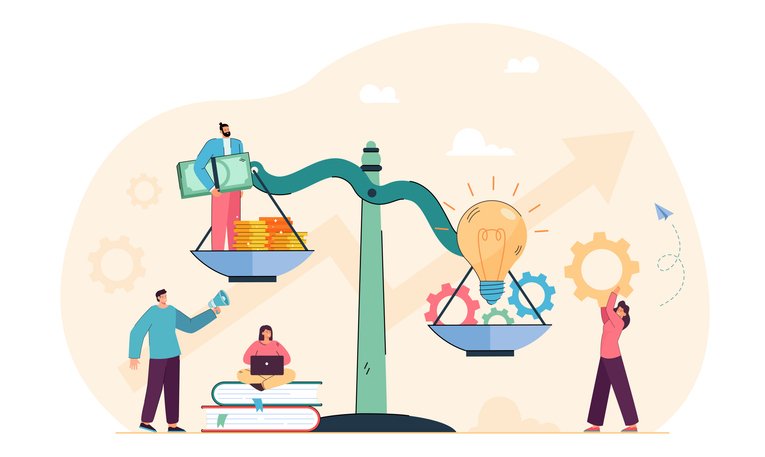
One of the biggest mistakes business owners make is choosing the cheapest quote they receive.
In fairness, it’s understandable. Running a business certainly isn’t cheap, and a website can feel like another expense to add to the pile. But unlike buying a product off a shelf, web design isn’t a standard service where every quote covers the same things.
A website quoted at €500 might only include a few basic pages with very little optimisation, while another quote at €2,000 could include:
- Mobile optimisation.
- Basic SEO setup.
- Contact forms.
- Google Analytics.
- Google Business integration.
- Website security.
- Training and support.
- Future scalability.
On paper, one looks far cheaper. In reality, the more expensive option could end up being significantly better value if it generates customers and doesn’t need to be rebuilt a year later (and in my experience, a LOT of websites end up being built a year later – either that or they sit there doing nothing for the business).
It’s also worth considering the cost of getting it wrong. A slow, outdated or poorly designed website can damage your credibility and lose potential customers before they’ve even contacted you.
Questions to ask:
- What exactly is included in the price?
- Are there any additional costs?
- Does the quote include SEO basics?
- Will the website be mobile friendly?
- What ongoing costs should I expect?
- How experienced is the designer or agency and does their work justify the price?
A good web designer won’t simply sell you the cheapest website possible. They should recommend a solution that suits your business and budget while providing long-term value.
At the end of the day, the goal isn't to buy the cheapest website. The goal is to invest in a website that helps your business grow.
2. What’s Actually Included In The Website Package?
Not all website packages are built the same.
This is one of the biggest causes of frustration for business owners. Two designers can quote similar prices, but one package could include everything you need while the other only covers the basic design. This is where business owners can get caught out because, as mentioned previously, it’s not just about price, but quality of work.
Before agreeing to anything, ask for a clear breakdown of exactly what’s included.
A professional website package should clearly outline:
Website Design
- How many pages are included?
- Will the design be unique to your business?
- Is the site mobile responsive?
Website Functionality
- Contact forms.
- Booking systems.
- Image galleries.
- Social media integration.
- Google Maps.
- Blog functionality.
Search Engine Optimisation
- Basic on-page SEO.
- Optimised page titles and descriptions.
- Image optimisation.
- Sitemap creation.
- Google indexing.
Setup
- Google Analytics.
- Cookie notices.
- SSL certificate.
- Website backups.
- Security measures.
Content
In my experience this one always seems to go unspoken. Designers don’t mention whether copy & images are included in the price of the project, and clients just assume that they are. Some designers expect you to provide all text and images. Others help with copywriting, photography advice or stock imagery.
It’s important to know where your responsibilities begin and end.
Training
Ask whether you’ll receive training on updating your own website.
Even simple tasks like changing opening hours or adding a new service shouldn’t require a developer every single time. In saying that, if you prefer to be hands-off with maintaining a website, a decent freelancer or agency will be able to offer you ongoing support services (while still allowing you access to change things if you need to).
Watch out for vague proposals.
If a proposal simply says:
“5-page website.”
Ask more questions. A detailed proposal protects both you and the designer by making expectations clear from the beginning.
By the end of the conversation, you should have a good understanding of exactly what you’re paying for and what you’ll receive.
3. Who Will Own My Website And Domain Name?
One of the most important questions you can ask a web designer has nothing to do with colours, layouts or functionality.
Who actually owns the website?
You might assume that if you’re paying for a website, you automatically own everything associated with it. Unfortunately, that’s not always the case.
Before you sign a contract, make sure you understand who owns:
- Your domain name.
- Your website files.
- Your hosting account.
- Premium licences and plugins.
- Any custom content or graphics created for the project.
Some agencies register domains in their own name or host websites on platforms that make it difficult to move elsewhere. While this generally isn’t malicious or immediate cause for concern, it can create unnecessary complications if you decide to change providers in the future.
A good web designer should be transparent about ownership and make it easy for you to move your website if your circumstances change.
Worth noting that building on platforms such as Squarespace or Shopify means you actually never own the website itself, but rather ‘rent’ it. If you ever do decide to migrate from Squarespace to WordPress, you’ll need access to your Squarespace account, or need your developer to allow access/support in order to move your site elsewhere.
Questions to ask:
- Will I own my domain name?
- Can I access my hosting account?
- Can I move the website to another provider?
- What happens if we stop working together?
A website should be an asset for your business, not something you’re locked into indefinitely.

4. Can I See Examples Of Previous Work?
Every web designer should have a portfolio, but don’t stop at simply looking at screenshots.
A beautiful homepage doesn’t necessarily mean the website works well for the business behind it – this is a point I cannot stress enough.
When reviewing previous projects, think like a potential customer.
Ask yourself:
- Does the website load quickly?
- Is it easy to navigate?
- Does it work well on mobile?
- Is it easy to find important information?
- Is there a clear way to make contact or book a service?
- Does their website show case studies and previous projects?
If possible, look at examples from businesses similar to your own. A website for a café will have different priorities than one for a plumber or physiotherapy clinic.
It’s also worth asking about the goals of previous projects.
Did the client want:
- More enquiries?
- Better Google rankings?
- Online bookings?
- Improved local visibility?
A good web designer should be able to explain not just what they built, but why they built it that way.
Questions to ask:
- Can I see examples of recent work?
- Have you worked with similar businesses?
- What problems were you solving for those clients?
5. Does The Website Include SEO?
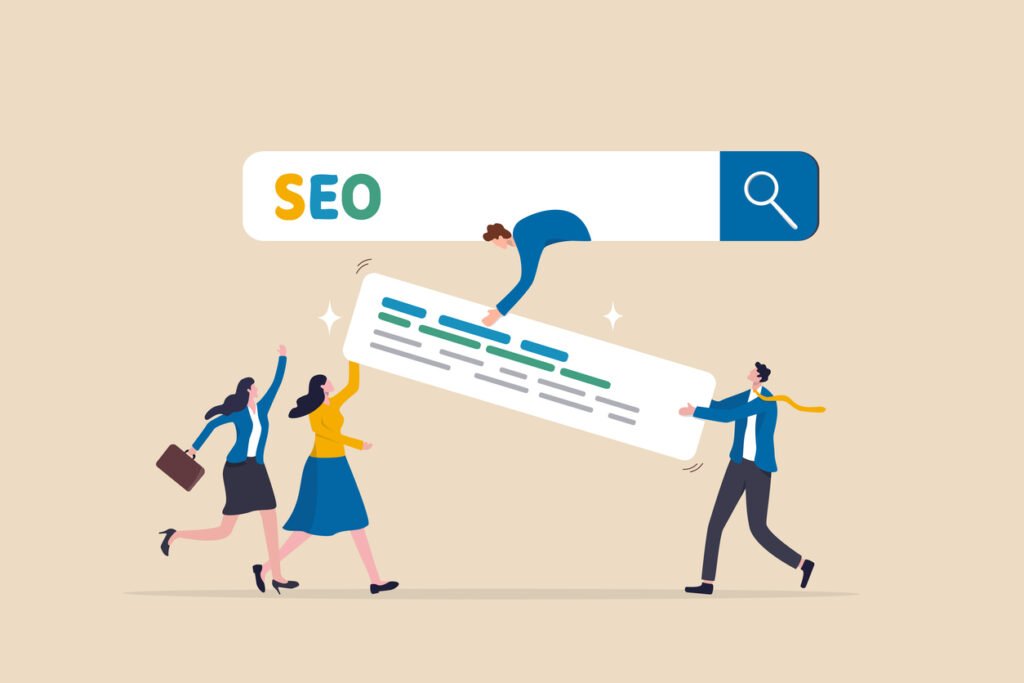
Many business owners assume they can think about SEO after the website is finished – in reality, some of the most important SEO decisions happen during the design process.
A well-designed website should make it easier for customers to find you on Google, while a poorly built website can create problems that are expensive to fix later.
Basic SEO should be considered from day one.
This includes:
- Mobile-friendly design.
- Fast loading speeds.
- Clear page structure.
- Optimised page titles and descriptions.
- Image optimisation.
- Internal linking.
- Google indexing.
- XML sitemaps.
If your business relies on local customers, local SEO should also be considered. This can include integrating your Google Business Profile, location pages and clear contact information.
It’s important to remember that launching a website doesn’t automatically mean you’ll appear at the top of Google (and don’t let any SEO specialist or web developer tell you otherwise). SEO is an ongoing process, but a good website should provide a strong foundation.
Questions to ask:
- Is basic SEO included?
- Will the website be mobile friendly?
- Will Google be able to index the website properly?
- Can additional SEO work be carried out in the future?
A good website should not only look professional, it should help potential customers find your business online.

6. What Are The Ongoing Costs Of A Website?
Building a website is only part of the investment. Like any business asset, there are ongoing costs involved in keeping it secure, up to date and performing well.
Unfortunately, many business owners only discover these costs after their website has gone live. Before you commit to a web designer, make sure you understand exactly what you’ll be paying for in the months and years ahead.
Common ongoing costs include:
- Website hosting.
- Domain name renewals.
- Website maintenance.
- Security updates.
- Plugin licences.
- Content updates.
- Technical support.
Some providers bundle these into a monthly package, while others charge separately. Neither approach is necessarily better, but transparency is important.
It’s also worth asking what happens if your business grows;
- Will adding new pages cost extra?
- What about adding an online shop or booking system?
- Can you request content updates as your services change?
Questions to ask:
- What ongoing costs should I expect?
- Are website updates included?
- How are additional changes charged?
- Will I need a maintenance package?
A good web designer should explain ongoing costs clearly from the beginning, helping you budget properly and avoid unexpected surprises.
7. Can My Website Grow As My Business Grows?
This is one of the most important questions to ask before committing to a website project: a website shouldn’t just solve today’s problems. It should support your business for years to come.
Think about where your business might be in two or three years.
You might want to:
- Add new services.
- Expand into new locations.
- Launch an online shop.
- Accept online bookings.
- Build a blog.
- Showcase customer reviews.
- Recruit staff.
A flexible website should make these additions straightforward.
This is especially important for small businesses. Many start with a simple website and gradually expand as demand grows. Building a website with future growth in mind can save significant time and money later. You should also ask whether you’ll be able to make basic updates yourself.
Simple changes like:
- Adding a new service.
- Updating opening hours.
- Publishing a blog.
- Uploading new images.
shouldn’t require rebuilding the entire website.
Questions to ask:
- Can new features be added later?
- Can I update the website myself?
- Is the platform scalable?
- Will my website grow with my business?
A quick note on the question above – ‘is the platform scalable?‘ – in my opinion, if your business is ambitious and your future expansion is expected to be significant, I would avoid using platforms such as Squarespace, Wix etc. as their limitations become very obvious when the scale of the website grows significantly. That’s not to say that Squarespace websites aren’t an excellent option for small businesses.
A website should evolve alongside your business, not hold it back.
8. What Happens After My Website Goes Live?
Many people think a website project ends on launch day, and this is a key differentiator between an online presence that stagnates or grows healthily.
In reality, this is when the real work begins.
Websites need regular attention to keep them secure, accurate and performing well.
After launch, you may need:
- Content updates.
- New service pages.
- Image changes.
- Security updates.
- Performance improvements.
- Technical support.
- Introduction of an SEO strategy
It’s worth asking what level of support your web designer offers after the project is complete.
Some provide ongoing maintenance packages, while others work on an ad hoc basis.
You should also understand how support requests are handled.
Questions worth asking include:
- How do I request updates?
- How quickly are changes completed?
- Is emergency support available?
- What happens if something breaks?
- Can I continue working with you long term?
A website should be viewed as a living part of your business rather than a one-off project. Regular improvements can help attract more visitors, improve Google rankings and generate more enquiries over time.
Questions to ask:
- What support is available after launch?
- How are website updates managed?
- Is there a maintenance option?
- How quickly can problems be resolved?
Choosing a web designer isn’t just about finding someone to build a website. It’s about finding someone who can support your business as it grows and changes over the longer term.
9. Does The Web Designer Understand My Business And Customers?
A great website isn’t just about looking professional. It should help you attract the right customers and encourage them to take action.
That’s why it’s important crucial to choose a web designer who takes the time to understand your business, your industry and your goals.
The first conversation shouldn’t be entirely about colours and layouts. A good web designer should ask questions like:
- What services make you the most money?
- Who are your ideal customers?
- Where do most of your enquiries come from?
- Who are your competitors?
- What makes your business different?
The answers to these questions can influence everything from the structure of your website to the wording of your calls to action.
Different businesses have different priorities – a local café might want to showcase menus and opening hours.
A physiotherapy clinic might focus on online bookings and service pages. A trades business might simply want more phone calls and quote requests.
The best websites are designed around the needs of the customer rather than following a generic template (although a template is not a bad starting point for your website project – it’s about how it develops from there!).
It’s also worth considering whether the web designer understands your local market. If you’re targeting customers in Ireland, local knowledge can help with everything from SEO to writing content that resonates with your audience.
Questions to ask:
- Have you worked with businesses like mine?
- How do you learn about my customers?
- Will the website be designed around my business goals?
- How will the website help generate enquiries?
A website should do more than look good. It should help your business grow.
10. Am I Choosing Someone I Can Build A Long-Term Relationship With?
Building a website is rarely a one-off project – your business will change over time, and your website should change with it.
You might launch new services, expand into new areas, update your branding or simply want to improve your online presence as your business grows. That’s why choosing a web designer isn’t always just about technical ability – it’s also about finding someone you trust and enjoy working with.
A lot of leading agencies will actually audit you to see if you’re a good fit for their projects and if you’re suitable to build a long-term relationship with.
Good communication can make the entire process smoother.
Look for someone who:
- Explains things clearly.
- Answers questions honestly.
- Provides realistic timelines.
- Recommends what’s best for your business.
- Doesn’t pressure you into unnecessary extras.
A good web designer should also be upfront about what they can and can’t do.
No one can honestly promise overnight Google rankings or hundreds of guaranteed enquiries. Be cautious of anyone making unrealistic claims.
Trust and transparency often lead to better long-term results than flashy sales pitches.
Questions to ask:
- Will I be dealing with the same person throughout the project?
- How do you communicate with clients?
- What happens if I need help in the future?
- Can our website continue to grow over time?
Choosing a web designer is an important decision for any business – I have relationships with clients that span over 10 years, built on trust, transparency and just having a friendly, personal relationship with them as well.
The right partnership can help support your business for years to come, while the wrong one can lead to unnecessary costs and frustration.
Taking the time to ask the right questions now can help you make a more informed decision and give your business the best possible chance of online success.
Before You Hire a Web Designer: A Quick Checklist
Before signing a contract, make sure you can answer yes to the following questions. A good web designer should be able to answer each of these clearly and confidently.
Ownership
- ☐ Will I own my website?
- ☐ Will I own my domain name?
- ☐ Can I move providers if I ever need to?
Costs
- ☐ Do I understand all upfront costs?
- ☐ Are ongoing fees clearly explained?
- ☐ Do I know exactly what’s included?
SEO & Performance
- ☐ Will my website be SEO friendly?
- ☐ Will it work properly on mobile devices?
- ☐ Will Google be able to find and index my website?
Support
- ☐ What happens after the website goes live?
- ☐ Can I request updates and changes?
- ☐ Is ongoing support and maintenance available?
Business Fit
- ☐ Does the designer understand my business and customers?
- ☐ Have I seen relevant examples of their previous work?
- ☐ Am I comfortable building a long-term working relationship with them?
If you’ve ticked most of these boxes, you’re well on your way to choosing a web designer that’s the right fit for your business.
Frequently Asked Questions About Choosing a Web Designer
How do I choose a good web designer?
Start by looking beyond price. A good web designer should understand your business, have relevant examples of previous work, explain their process clearly and be transparent about costs, ownership and ongoing support.
How much should a web designer charge in Ireland?
Website costs vary depending on the size and complexity of the project. A simple small business website may cost significantly less than a large e-commerce website or custom build. It's important to compare what's included rather than simply choosing the cheapest quote.
Should I hire a freelance web designer or an agency?
Both can be good options. Freelancers often provide a more personal service and can be cost-effective for small businesses, while agencies may offer larger teams and specialist services. The right choice depends on your budget and business needs.
Who should own my website and domain name?
Ideally, your business should own both the website and the domain name. Before signing a contract, ask who will register the domain and whether you can move your website to another provider if needed.
Is SEO included with website design?
Not always. Some web designers include basic SEO as part of their service, while others treat it as a separate project. It's worth asking what SEO work is included before your website goes live.
Can I update my own website after it's built?
Most modern websites allow business owners to make basic updates themselves. Ask whether you'll receive training and how easy it will be to update content, images and services.
How long does it take to build a website?
Timelines vary depending on the project. A simple brochure website may take a few weeks, while larger or more complex websites can take several months. Having content and feedback ready can help speed up the process.
What should I ask before hiring a web designer?
Some of the most important questions include:
- What's included in the price?
- Who owns the website and domain?
- Is SEO included?
- What ongoing costs should I expect?
- What support is available after launch?
- Can the website grow with my business?
Final Thoughts: Choosing The Right Web Designer For Your Business
Choosing a web designer isn’t just about finding someone who can build a good-looking website. It’s about finding someone who understands your business, communicates clearly and can create a website that helps you achieve your goals.
The cheapest option isn’t always the best value, and the most expensive doesn’t automatically mean the best results. Taking the time to ask the right questions about ownership, SEO, ongoing costs, support and long-term growth can save you money and avoid plenty of frustration down the line.
Take the time to compare a couple of different options – look at the agencies website and compare it to the next one quality wise.
A good website should be more than an online brochure. It should help customers find your business, build trust in your brand and generate genuine enquiries for years to come.
If you’re currently comparing web designers or planning a new website, we hope this guide has helped you make a more informed decision.
And if you’d like an honest opinion on your current website or plans for a new one, Northside Digital is always happy to have a chat.